

Best Digital Camera for Beginners: Complete Buying Guide, Features and Photography Tips
Best Digital Camera for Beginners is the perfect choice for anyone who wants to start their photography journey. Choosing your first digital camera can be exciting, but with so many options available, it is important to understand camera types, essential features, image quality, and budget before making a purchase.
A best digital camera for beginners has become one of the most popular ways to capture memories, express creativity, and share experiences with others. From beautiful travel pictures and family moments to professional portraits and social media content, a best digital camera for beginners can help you capture every detail with clarity.
If you are interested in photography but have never used a dedicated camera before, choosing your first device can be challenging. There are many camera brands, models, specifications, and features available in the market. Some cameras are designed for everyday photography, while others are made for professional photography, filmmaking, and advanced creative work.
Finding the best digital camera for beginners is not just about choosing a camera with the highest megapixel count or the most expensive features. It is about finding a camera that is easy to operate, provides good image quality, offers useful shooting modes, and matches your budget.
A beginner-friendly camera should help you understand photography step by step. It should allow you to experiment with different settings, improve your skills, and capture beautiful photographs without making the learning process complicated.
In this complete guide, we will discuss different types of best digital camera for beginners is , important features, camera accessories, photography tips, and everything you should know before purchasing your first camera.
1. What Is a Best Digital Camera for Beginners ?
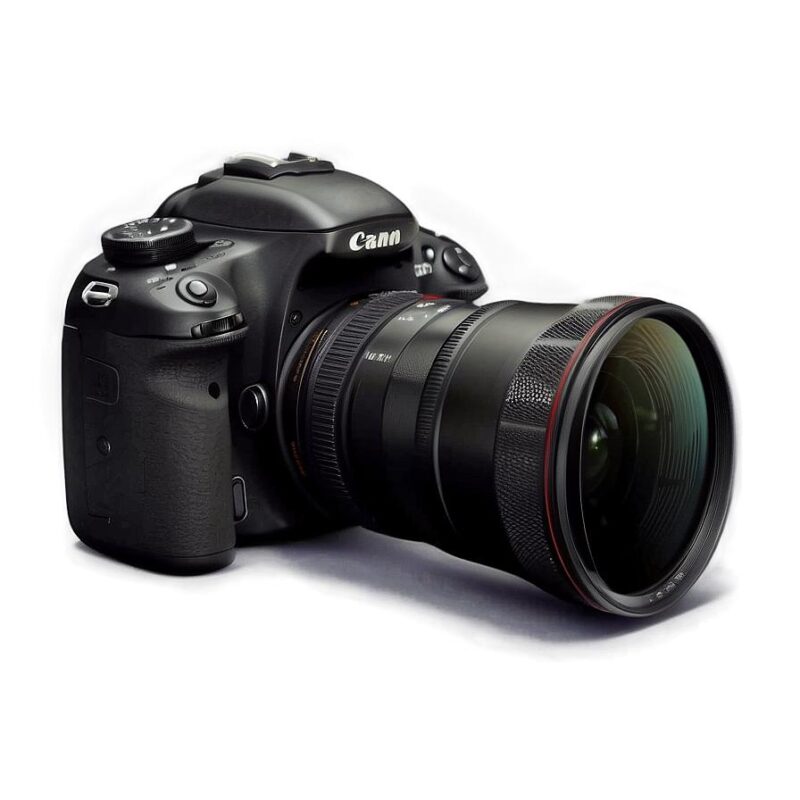
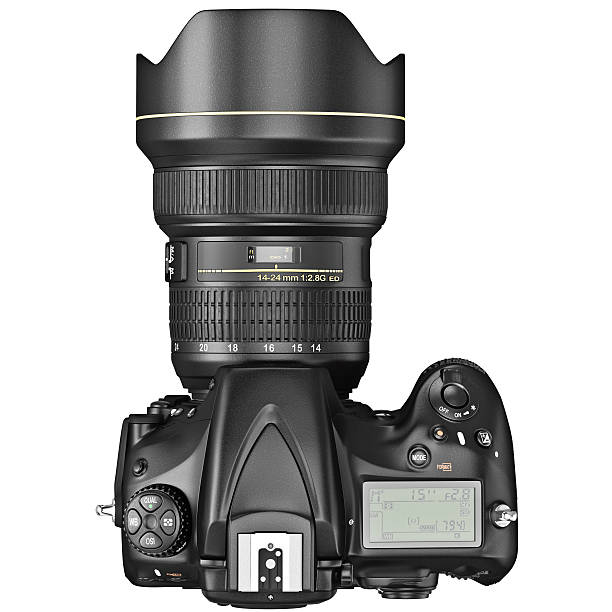
A best digital camera for beginners is an electronic device that captures photographs and videos using an electronic image sensor. Instead of recording images on traditional photographic film, a digital camera converts light into digital information and stores the captured photographs electronically.
Most digital cameras use memory cards to save pictures and videos. Users can view their photographs instantly on the camera screen and transfer them to smartphones, laptops, tablets, or desktop computers.
Modern digital cameras include several advanced technologies, such as autofocus, image stabilization, optical zoom, automatic exposure, and high-resolution video recording.
Best Digital cameras for beginners are available in different sizes and designs. Some models are compact and lightweight, while others offer professional controls and interchangeable lenses.
For beginners, a digital camera provides an excellent opportunity to understand photography and develop creative skills.
2. Why Should Beginners Buy a Digital Camera?
Smartphones have improved significantly in photography, but dedicated digital cameras still offer several advantages for people who want greater control over their photographs.
Better Photography Control
A best digital camera for beginners allows users to control important photography settings such as shutter speed, ISO, aperture, focus, and exposure compensation.
These settings help beginners understand how light affects photographs and how different adjustments can create different visual effects.
Improved Lens Options
Many DSLR and mirrorless cameras support interchangeable lenses. This allows photographers to choose different lenses according to their photography requirements.
For example, wide-angle lenses are useful for landscape photography, while telephoto lenses are suitable for capturing distant subjects.
Better Creative Photography
Dedicated cameras provide more opportunities to experiment with photography techniques. Users can explore portrait photography, landscape photography, macro photography, wildlife photography, and many other styles.
Professional Photography Experience
A digital camera for beginners are can help beginners develop skills that are useful for professional photography, content creation, product photography, and videography.
3. Different Types of Digital Cameras for Beginners
Before selecting the best digital camera for beginners, you should understand the major camera categories available in the market.
DSLR Cameras
DSLR stands for Digital Single-Lens Reflex. These cameras use a mirror mechanism and optical viewfinder to help photographers compose their images.
DSLR cameras are known for their manual controls, interchangeable lenses, and versatile photography capabilities.
They are useful for beginners who want to learn traditional photography techniques and gradually develop advanced skills.
Advantages of DSLR Cameras:
Interchangeable lens support.
Optical viewfinder.
Manual photography controls.
Wide selection of compatible lenses.
Suitable for different photography styles.
Who Should Buy a DSLR Camera?
A DSLR camera can be suitable for beginners interested in learning photography in detail, particularly if they find a model that fits their budget and requirements.
Mirrorless Cameras
Mirrorless cameras are modern digital cameras that do not use the traditional mirror mechanism found in DSLRs.
They generally feature electronic viewfinders or LCD screens and offer interchangeable lens support.
Many mirrorless cameras provide advanced autofocus, eye detection, subject tracking, and high-quality video recording.
Advantages of Mirrorless Cameras:
Compact designs in many models.
Advanced autofocus systems.
Interchangeable lenses.
Electronic viewfinder options.
Strong video recording capabilities.
Useful features for content creators.
Who Should Buy a Mirrorless Camera?
Mirrorless cameras are worth considering for beginners who want modern features, photography flexibility, and video recording capabilities.
Compact Best Digital Cameras for beginners are
Compact best digital camera for beginners are designed for simple and convenient photography. They generally feature built-in lenses and automatic shooting modes.
These cameras are usually easy to carry and operate, making them suitable for casual photography.
Advantages of Compact Cameras:
Lightweight and portable.
Easy-to-use controls.
Convenient for everyday photography.
Built-in lens.
Suitable for travel and family photography.
Who Should Buy a Compact Camera?
A compact digital camera can be a good choice for beginners who want a simple device for capturing everyday moments without managing interchangeable lenses.
Bridge Cameras
Bridge cameras combine some features of compact cameras and advanced photography cameras.
They usually include a fixed lens with a wide optical zoom range and provide additional manual shooting controls.
Advantages of Bridge Cameras:
Powerful optical zoom on many models.
No need to purchase multiple lenses.
Convenient all-in-one design.
Useful for travel and wildlife photography.
They can be a suitable option for beginners who want greater zoom flexibility in a single device.
4. Important Features to Check Before Buying the Best Digital Camera for Beginners
Choosing the right camera becomes easier when you understand the specifications that affect photography performance.
Image Sensor Size
The image sensor is one of the most important components of a digital camera. It captures the light entering through the camera lens and converts it into digital image information.
Different cameras use different sensor sizes, including full-frame, APS-C, Micro Four Thirds, and smaller compact-camera sensors.
Generally, larger sensors can provide advantages in low-light photography and depth-of-field control. However, overall image quality also depends on lens quality, image processing, and camera settings.
Megapixel Resolution
Megapixels indicate the resolution of the images captured by a camera.
A higher megapixel count can provide more flexibility when cropping photographs or printing larger images.
However, beginners should understand that megapixels alone do not determine image quality. Sensor performance, lens quality, autofocus, and lighting conditions are also important.
Autofocus Performance
Autofocus is an important feature for beginner photographers because it helps the camera focus on a subject automatically.
Modern cameras may offer face detection, eye detection, and subject tracking.
These features can be particularly useful when photographing people, children, pets, and moving subjects.
Optical Zoom
Optical zoom allows a camera to magnify distant subjects through its lens without relying on digital image enlargement.
It is especially useful for travel, wildlife, sports, and outdoor photography.
When comparing cameras, check their optical zoom capabilities rather than considering digital zoom alone.
Image Stabilization
Image stabilization helps reduce blur caused by small movements of the camera.
Depending on the camera, stabilization may be available in the lens, inside the camera body, or through electronic video stabilization.
This feature can be useful when taking handheld photographs or recording videos.
ISO Range
ISO controls how sensitive the camera's image sensor is to light.
A higher ISO setting can help when photographing in darker environments, but it may also introduce image noise.
Learning how to balance ISO with aperture and shutter speed is an important part of understanding photography.
Video Recording Quality
If you want to record videos, check the camera's video specifications before purchasing.
Some cameras offer Full HD recording, while many modern models also support 4K video.
You should also consider autofocus performance during video recording, microphone connectivity, stabilization, and recording limitations.
Battery Life
Battery performance is another important factor, especially for travel and outdoor photography.
Check the manufacturer's estimated battery life and consider purchasing an additional compatible battery if you plan to take photographs for extended periods.
5. Best Camera Settings Beginners Should Learn
Understanding basic camera settings can help you take better photographs and improve your photography skills.
Aperture
Aperture controls how much light enters the camera through the lens.
It is represented by f-numbers such as f/1.8, f/2.8, and f/5.6.
A wider aperture allows more light to enter and can create a blurred background, which is useful for portrait photography.
Shutter Speed
Shutter speed determines how long the camera sensor is exposed to light.
A faster shutter speed can help freeze moving subjects, while a slower shutter speed can create motion blur.
For example, sports photography often requires faster shutter speeds to capture moving players clearly.
ISO
ISO controls the sensor's sensitivity to light.
A lower ISO is generally useful in bright conditions, while higher ISO settings can help in low-light situations.
Beginners should practise balancing ISO, aperture, and shutter speed to achieve properly exposed photographs.
White Balance
White balance helps maintain natural-looking colours under different lighting conditions.
Most cameras include automatic white balance and additional presets for daylight, cloudy conditions, shade, and indoor lighting.
6. Best Digital Camera for Different Photography Needs
Not every camera is suitable for every photography style. Your choice should depend on how you plan to use it.
Camera for Travel Photography
Travel photographers often need a lightweight camera that is easy to carry.
Important features include good image quality, reliable autofocus, a versatile lens, and convenient battery performance.
Camera for Portrait Photography
Portrait photography focuses on capturing people and facial expressions.
A camera with reliable eye autofocus and access to suitable portrait lenses can help produce attractive results.
Camera for Wildlife Photography
Wildlife photography often requires powerful telephoto lenses, fast autofocus, and good subject tracking.
Beginners interested in wildlife photography should consider lens availability and camera performance when comparing models.
Camera for Product Photography
Product photography is useful for online stores, e-commerce websites, and business promotions.
A camera with good image detail, manual controls, and suitable lighting options can help create attractive product photographs.
Camera for Vlogging
Content creators should look for cameras with good video quality, reliable autofocus, a flip-out screen, and external microphone support.
These features can make recording videos and creating online content easier.
7. Essential Camera Accessories for Beginners
A camera is the main photography device, but a few accessories can improve convenience and help protect your equipment.
Memory Card
A memory card stores your photographs and videos. Choose a card that meets the camera manufacturer's speed and capacity recommendations.
Camera Bag
A camera bag helps protect your camera, lenses, batteries, and other accessories while travelling.
Tripod
A tripod provides stability and is useful for landscape photography, long exposures, group photographs, and video recording.
Extra Camera Battery
An additional battery can be useful when travelling or taking photographs for longer periods.
Lens Cleaning Kit
A lens cleaning kit helps remove dust, fingerprints, and other particles from camera lenses.
External Microphone
If your camera supports external microphone connectivity, an additional microphone can improve audio quality during video recording.
8. Common Mistakes Beginners Should Avoid When Buying a Camera
Many first-time buyers focus only on megapixels or camera prices. However, there are several other factors worth considering.
Ignoring Lens Compatibility: Before purchasing an interchangeable-lens camera, check which lenses are compatible with its mount.
Buying More Features Than Necessary: Expensive professional features may not be useful if you only need a camera for casual photography.
Ignoring Battery Performance: Battery life is important for travel, outdoor photography, and long recording sessions.
Not Checking Camera Weight: A heavy camera may become uncomfortable during long photography sessions.
Ignoring Video Requirements: If you plan to create videos, check video resolution, autofocus, microphone connectivity, and recording limitations.
Not Comparing Warranty Options: Always check warranty coverage and after-sales support before purchasing electronic products.
9. How to Maintain Your Digital Camera
Proper maintenance can help keep your camera in good working condition.
Keep the camera inside a protective bag when not in use.
Clean the camera body and lens with suitable cleaning materials.
Avoid touching the image sensor.
Store batteries according to manufacturer instructions.
Protect the camera from excessive moisture and dust.
Use compatible memory cards and accessories.
Follow the manufacturer's cleaning and maintenance guidelines.
Taking care of your camera can help maintain its performance and extend its useful life.
10. Is an Expensive Camera Necessary for Beginners?
No, an expensive camera is not always necessary for someone starting photography.
A beginner-friendly camera with reliable autofocus, good image quality, comfortable controls, and useful automatic modes can be enough to develop photography skills.
Instead of spending your entire budget on an expensive camera body, consider the complete photography setup. A suitable lens, memory card, camera bag, and additional battery may be more useful for your photography needs.
As you gain experience, you can upgrade your camera equipment according to your requirements.
11. Digital Camera vs Smartphone Camera: Which Is Better?
Smartphones are convenient because they are portable and always available. They are suitable for everyday photographs, social media content, and quick video recording.
Dedicated digital cameras, however, can offer advantages such as larger image sensors, optical zoom, interchangeable lenses, and more manual controls.
The right option depends on your requirements.
If you want convenient everyday photography, a smartphone may be enough. If you want to learn photography techniques, explore different lenses, or gain greater control over image creation, a dedicated digital camera may be a better choice.
12. Final Buying Checklist for Beginners
Before purchasing your first camera, review these important points:
Decide your photography requirements.
Choose a suitable camera type.
Compare image sensor sizes.
Check autofocus capabilities.
Understand optical zoom and lens options.
Check video recording specifications.
Compare battery performance.
Consider the weight and design.
Check memory card compatibility.
Compare prices, warranty, and customer reviews.
Conclusion
Choosing the best digital camera for beginners is an important step towards developing your photography skills and exploring your creativity.
Whether you select a DSLR, mirrorless, compact, or bridge camera, focus on the features that matter most for your photography requirements.
A camera with good image quality, reliable autofocus, easy controls, and suitable lens options can help you learn photography comfortably.
Remember that purchasing a camera is only the beginning. Regular practice, understanding lighting, experimenting with camera settings, and learning photography techniques will help you improve over time.
Before making your final decision, compare different camera models, check their specifications, and select a device that offers the right balance of performance, usability, and value for money.
With the right camera and consistent practice, you can begin your photography journey with confidence.


